
Self-discipline and stability are deeply connected; without a stable environment, maintaining consistent discipline is almost impossible, as chaos can trigger emotional reactions and reduce focus. When your surroundings are steady, emotional regulation becomes easier, supporting impulse control and resilience. This balance creates a positive cycle—discipline fosters stability, and stability enhances discipline. If you want to understand how to strengthen both, exploring these links further reveals practical ways to build lasting personal growth.
Key Takeaways
- Stable environments reduce stress and uncertainty, making self-discipline easier to maintain.
- Consistent routines reinforce habits that support emotional regulation and impulse control.
- Self-discipline fosters emotional stability by promoting thoughtful responses over reactive behaviors.
- Stability provides a structured foundation that enhances focus and motivation for long-term goals.
- A positive feedback loop exists where discipline improves stability, which in turn strengthens discipline.
Understanding Self-Discipline and Its Role in Personal Growth

Understanding self-discipline is essential because it serves as the foundation for personal growth and success. It involves more than just willpower; it requires emotional intelligence to recognize and regulate your feelings, especially when faced with temptations or setbacks. This awareness helps you develop better impulse control and resilience. Effective time management is a key component, enabling you to prioritize tasks and allocate your energy efficiently. When you master these skills, you create a structured environment conducive to progress. Self-discipline fosters consistency, which is crucial for tracking long-term goals. It also enhances self-awareness, allowing you to identify patterns that hinder or promote growth. By cultivating emotional intelligence alongside disciplined habits, you build a stronger sense of accountability and motivation. Ultimately, understanding and practicing self-discipline empowers you to navigate challenges with clarity and purpose, making personal development a deliberate, manageable process.
How Stability Contributes to Consistent Progress
Stability acts as the steady foundation that supports consistent progress in your personal development journey. When your environment and routines are stable, it becomes easier to develop emotional resilience, allowing you to navigate setbacks without losing momentum. Stability reduces the mental fatigue associated with constant change, making habit formation more effective. As you establish reliable routines, your brain recognizes patterns, reinforcing positive behaviors and fostering discipline. This consistency builds confidence, turning small efforts into lasting habits. Without stability, fluctuations can undermine motivation and create emotional stress, impeding progress. Conversely, a stable environment cultivates a sense of control, encouraging perseverance even during challenging times. In this way, stability doesn’t just support progress—it amplifies your capacity for disciplined effort, forming a resilient foundation that sustains growth over the long term. It’s this interplay between stability, emotional resilience, and habit formation that enables steady, meaningful advancement.
The Psychological Connection Between Discipline and Emotional Balance
When your environment and routines are stable, it becomes easier to manage your emotions and maintain a sense of equilibrium. Stability fosters better emotional regulation because predictable surroundings reduce uncertainty, allowing you to respond thoughtfully rather than react impulsively. Self-discipline strengthens impulse control, enabling you to pause before acting on strong feelings or urges. This connection creates a positive feedback loop: disciplined behavior supports emotional balance, which in turn reinforces your ability to stay committed to your goals. When you consistently practice self-control, your brain adapts, making emotional regulation more natural and less effortful over time. Conversely, chaos or inconsistency can heighten emotional reactivity, undermining your discipline. Recognizing this psychological link underscores the importance of cultivating both stability and self-discipline, as they mutually reinforce each other in fostering resilience, mental clarity, and emotional well-being.
Building Self-Discipline Through Routine and Habits
Establishing effective routines and habits is fundamental to building self-discipline because they automate behaviors, reducing the mental effort required to stay on track. Habit formation creates consistent patterns that free cognitive resources, allowing you to focus on more complex decisions. When you prioritize time management within your routines, you prevent procrastination and ensure that essential tasks are completed efficiently. Consistent habits reinforce self-control by minimizing impulsive choices and establishing a predictable structure for your day. This predictability fosters stability, making it easier to sustain discipline over time. Adopting small, manageable routines initially helps solidify behaviors before expanding them, promoting sustainable self-discipline. Over time, these habits become ingrained, requiring less conscious effort, and empowering you to maintain focus even during challenging moments. Ultimately, disciplined routines serve as a foundation for stability, reinforcing your capacity to stay committed to your goals.
The Impact of Stability on Motivation and Focus

Because steadiness creates a uniform environment, it significantly boosts your motivation and concentration by diminishing the mental clutter linked with uncertainty and change. When your environment is steady, it enhances emotional regulation, enabling you to handle stress and impulsiveness more efficiently. This consistency reduces distractions, making it simpler to focus your attention on your objectives. Environmental steadiness also cultivates a sense of safety and predictability, which liberates cognitive resources previously allocated to adapting to chaos. As a consequence, your mental energy can be directed into sustained effort and perseverance. In this context, steadiness serves as a foundation for self-control, anchoring your motivation even amid setbacks. By establishing a predictable framework, you build resilience and clarity, which strengthen your focus. Ultimately, a steady environment fosters the mental lucidity essential for consistent progress, helping you remain committed and emotionally balanced in pursuit of your goals.
Overcoming Obstacles With a Disciplined Mindset
Overcoming obstacles requires more than just determination; it demands a disciplined mindset that transforms setbacks into opportunities for growth. External temptations often challenge your resolve, pushing you toward impulsive reactions that can derail progress. Developing mental discipline means recognizing these temptations early and choosing deliberate responses over fleeting urges. It involves cultivating awareness of your triggers and establishing strategies to resist impulsivity, such as pausing to evaluate before acting. A disciplined mindset doesn’t eliminate obstacles but reframes them, enabling you to approach difficulties with resilience and clarity. By consistently practicing self-control, you strengthen your capacity to manage external influences and maintain focus on your goals. This mental resilience is indispensable for turning setbacks into stepping stones, ensuring that temporary disruptions don’t compromise your stability or long-term progress. Ultimately, discipline empowers you to navigate obstacles with deliberate intent, fostering growth amid adversity.
Cultivating Resilience Through Consistent Practices
Consistent practices are essential for building resilience, as they create a stable foundation for mental and emotional strength over time. By regularly engaging in routines that promote emotional regulation, you develop greater control over your reactions during stressors. This consistency fosters adaptability skills, enabling you to adjust your mindset and behaviors effectively when faced with change or setbacks. When you prioritize habits like mindfulness, journaling, or reflective pauses, you reinforce your capacity to manage difficult emotions without becoming overwhelmed. These practices cultivate a resilient mindset that views challenges as opportunities for growth rather than insurmountable barriers. Over time, this disciplined approach enhances your ability to stay composed, maintain focus, and recover swiftly from setbacks. Ultimately, resilience isn’t built overnight; it’s nurtured by deliberate, ongoing efforts that strengthen your emotional and mental stability, empowering you to navigate life’s uncertainties with confidence and clarity.
The Long-Term Benefits of Integrating Discipline and Stability
When you intentionally integrate discipline and stability into your daily life, the long-term benefits extend far beyond immediate accomplishments. This combination fosters behavioral consistency, which is essential for sustaining progress over time. With consistent actions, you develop habits that support your goals, making success more predictable and manageable. Discipline helps you stay committed during challenging periods, while stability provides a reliable foundation for growth. Over the long term, this synergy enhances your capacity for strategic planning, allowing you to set realistic milestones and adapt as needed without losing momentum. It also cultivates resilience, as predictable routines reduce stress and uncertainty. Ultimately, integrating discipline and stability leads to a more balanced, purposeful life, where your efforts build upon each other to create enduring success. This approach ensures that your achievements are sustainable, grounded in thoughtful behavior, and aligned with your broader ambitions.
Practical Strategies to Enhance Both Self-Discipline and Stability
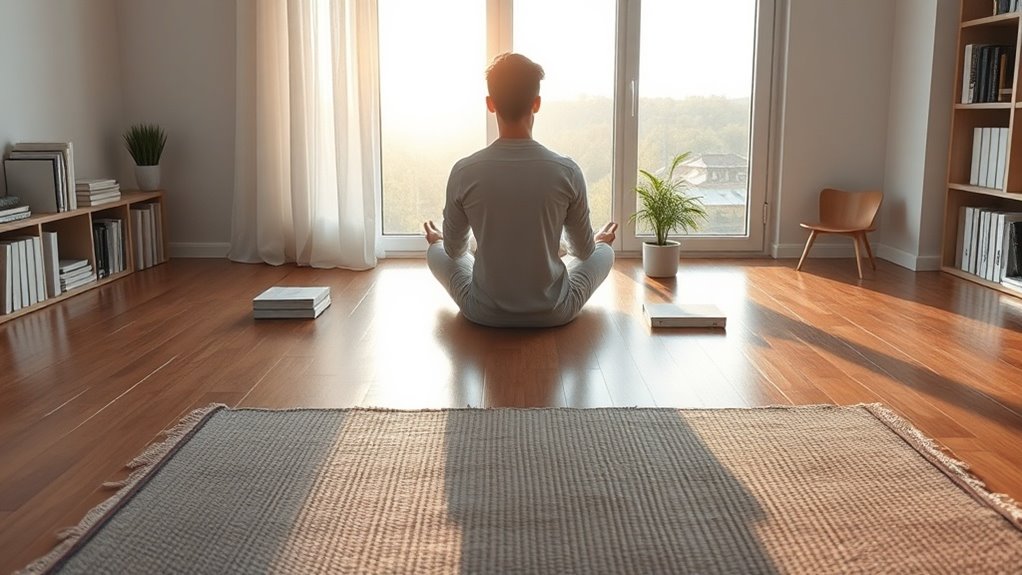
To strengthen both self-discipline and stability, you need practical strategies that create a solid foundation for growth. Setting clear goals helps you maintain focus, while developing consistent routines reinforces your progress. Incorporating mindfulness techniques can enhance your awareness and resilience, making it easier to stay on track during challenging times.
Set Clear Goals
Setting clear goals is fundamental to developing self-discipline and maintaining stability because it provides a concrete roadmap for your actions and priorities. When you define specific objectives, you set the stage for effective habit formation and focused goal setting. This clarity minimizes uncertainty, making it easier to stay committed even during setbacks. Consider this table to help clarify your goals:
| Short-term Goals | Long-term Goals | Priority Focus |
|---|---|---|
| Complete daily tasks | Achieve career milestone | Personal growth |
| Build morning routine | Establish healthy habits | Emotional stability |
| Track progress weekly | Reach financial targets | Well-being |
| Review goals monthly | Cultivate resilience | Self-awareness |
Develop Consistent Routines
Developing consistent routines is essential because they serve as the backbone of self-discipline and emotional stability. When you establish predictable patterns, you improve your time management, reducing decision fatigue and increasing focus. Consistent routines facilitate habit formation, making positive behaviors automatic rather than relying solely on willpower. This consistency creates a sense of control, reducing stress and uncertainty in your daily life. By sticking to routines, you reinforce discipline, making it easier to resist temptations and distractions. Over time, these habits become ingrained, fostering resilience during challenges. Ultimately, routine development anchors your efforts, providing a stable structure that supports both your emotional well-being and your capacity to stay committed to your goals.
Practice Mindfulness Techniques
Practicing mindfulness techniques can considerably enhance both self-discipline and emotional stability by fostering greater awareness of your thoughts, emotions, and impulses. Engaging in regular mindfulness meditation sharpens your present awareness, allowing you to recognize triggers before reacting. This heightened awareness promotes deliberate choices rather than impulsive behaviors, reinforcing self-control. Additionally, mindfulness helps you observe your emotional responses objectively, reducing reactivity and improving resilience. To incorporate these benefits, consider:
- Setting aside daily time for mindfulness meditation sessions
- Focusing on your breath to anchor your present awareness
- Noticing thoughts without judgment to build emotional clarity
- Incorporating mindful pauses during stressful moments to regain composure
Through consistent practice, these strategies cultivate a balanced mind, strengthening both self-discipline and emotional stability.
Common Questions
How Does Self-Discipline Influence Long-Term Emotional Well-Being?
Self-discipline greatly influences your long-term emotional well-being by strengthening emotional resilience, enabling you to bounce back from setbacks more effectively. It also improves stress management, helping you maintain calm under pressure and avoid emotional exhaustion. With consistent discipline, you develop healthier habits and coping strategies, fostering stability and a positive outlook over time. This proactive approach supports sustained mental health, making you better equipped to handle life’s inevitable challenges.
Can Stability Be Achieved Without Self-Discipline?
Stability without self-discipline is unlikely because habit formation and impulse control are essential. When you lack discipline, it’s harder to establish consistent routines, making stability fragile. Self-discipline helps you resist temptations, build positive habits, and manage setbacks effectively. Without it, emotional and practical stability becomes unpredictable, since impulsive decisions can derail progress. Ultimately, fostering discipline strengthens your ability to maintain stability over time, even amidst challenges.
What Role Does Environment Play in Developing Discipline and Stability?
Ironically, your environment might seem like an obstacle, but it actually shapes your discipline and stability. Environmental cues like routines and social influences subtly guide your choices, either strengthening or undermining your efforts. You often underestimate how much these external factors impact your self-control. By consciously adjusting your surroundings, you create a foundation for lasting stability, proving that your environment isn’t just a backdrop—it’s a powerful tool for growth.
How Do Cultural Differences Affect Perceptions of Discipline and Stability?
Cultural differences heavily influence how you perceive discipline and stability, shaped by societal expectations and norms. In some cultures, strict discipline is seen as essential for stability, while others value flexibility and individualism. These perspectives affect your approach to self-discipline, making it *vital* to understand that what’s considered disciplined behavior varies widely. Recognizing these differences helps you develop a more empathetic, adaptable view of stability across diverse cultural contexts.
Is There a Genetic Component to Self-Discipline and Emotional Stability?
Research suggests about 50% of self-discipline and emotional stability could be influenced by genetic predisposition. Biological factors, like brain chemistry and genetics, play a significant role in shaping your capacity for self-control and emotional resilience. While environment and personal effort matter, understanding these genetic influences helps you see that some aspects of stability are rooted in biology, fostering empathy and a more nuanced approach to personal growth.