
After chaos, your body naturally craves stillness to reset and recover. When you’re stressed, your nervous system shifts into fight-or-flight mode, boosting hormones like cortisol and adrenaline, which can cause fatigue and emotional upheaval. Stillness helps activate the parasympathetic nervous system, calming your mind and easing hormonal imbalances. By embracing quiet moments, you allow your body and mind to restore balance and clarity. Exploring these effects more deeply can help you cultivate lasting calm and resilience.
Key Takeaways
- Stillness activates the parasympathetic nervous system, helping the body recover from stress and restore balance.
- After chaos, the body seeks calm to regulate hormonal shifts like cortisol and stabilize mood.
- Physical relaxation reduces muscle tension and heart rate, essential for healing from heightened stress responses.
- Stillness provides mental clarity, allowing reflection and reducing mental noise caused by chaos.
- Restful stillness supports emotional resilience and restores energy depleted during stressful episodes.
The Body’s Natural Response to Stress
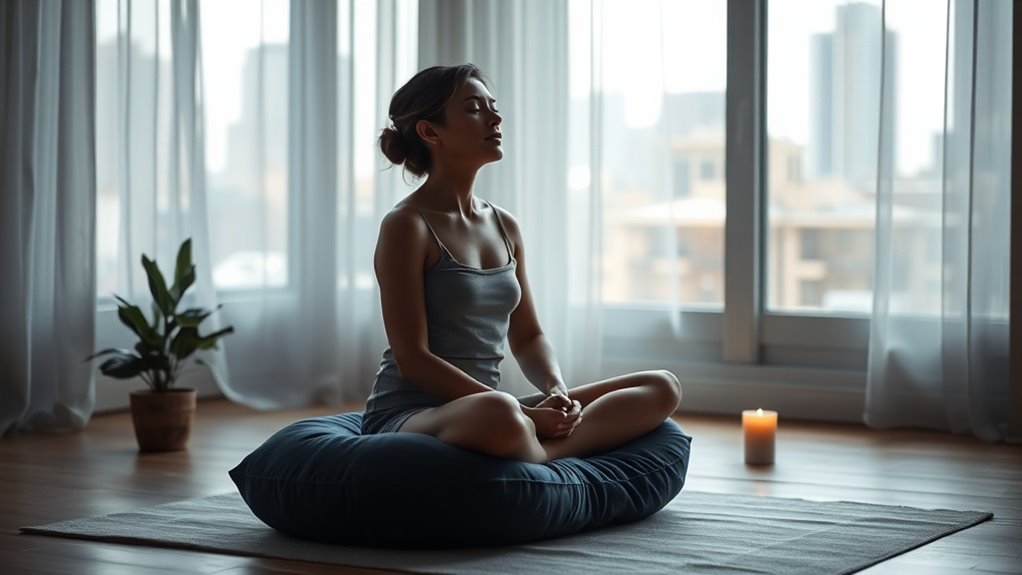
When you encounter stress, your body instinctively activates a complex response designed to prepare you for action, often called the fight-or-flight response. This reaction is rooted in the mind-body connection, where your mental state directly influences physical processes. During this time, your heart rate increases, muscles tense, and adrenaline floods your system—alerting you to potential danger. Recognizing this natural response is essential for effective stress management techniques. Instead of fighting or suppressing these signals, understanding them allows you to create space for calm. Techniques like deep breathing, progressive muscle relaxation, or mindfulness help soothe your nervous system, restoring balance. By tuning into your body’s signals and practicing intentional stress management, you can mitigate excessive responses and foster resilience. This awareness not only alleviates immediate tension but also cultivates a deeper connection between your mind and body, supporting overall well-being.
Hormonal Shifts and Their Effects
As your body responds to stress through physical signals, it also triggers subtle hormonal shifts that influence your mood, energy, and overall sense of well-being. During stressful periods, hormonal imbalances often emerge, disrupting your natural equilibrium. Cortisol fluctuations, in particular, play a significant role—they can cause feelings of irritability, fatigue, or anxiety when elevated. These shifts are your body’s way of adapting, but prolonged or intense stress can lead to persistent hormonal imbalances, making recovery more difficult. You might notice a lingering sense of exhaustion or emotional instability as your hormones remain out of sync. Recognizing these changes is essential, as they highlight the importance of stillness for restoring hormonal harmony. Giving yourself time to pause and reset helps regulate cortisol levels, allowing your body to rebalance hormones naturally. This process supports emotional stability, improved energy, and a greater overall sense of calm.
The Role of the Nervous System in Recovery
Have you ever wondered how your nervous system influences your ability to recover from stress? It’s central to understanding why stillness feels so necessary after chaos. When you experience stress, your sympathetic nervous system kicks in, preparing your body for fight or flight. Recovery begins with parasympathetic activation, which promotes relaxation and healing. This part of nervous system regulation slows your heart rate, relaxes your muscles, and restores energy reserves. Without intentional shifts toward parasympathetic dominance, your body remains in a heightened state, making recovery difficult. By fostering nervous system regulation through practices like deep breathing or gentle movement, you signal to your body that it’s safe to rest. This shift isn’t just mental; it’s physiological, enabling your nervous system to reset and your body to recover more effectively. Embracing stillness allows this process to unfold naturally, giving your nervous system the space it needs to restore balance.
How Stillness Supports Mental Clarity and Emotional Balance
Stillness acts as a vital anchor for your mental clarity and emotional stability, allowing your mind to settle amidst chaos. When you pause and embrace silence, it creates space for reflection, helping you process overwhelming emotions and cluttered thoughts. Through mindfulness practices, you develop greater awareness of your inner state, fostering emotional resilience. This stillness enhances your ability to distinguish between fleeting feelings and core beliefs, promoting better decision-making.
Imagine:
- Quiet moments that sharpen your focus and intuition
- Breathing exercises that calm racing thoughts
- Reflection periods that reveal underlying emotional patterns
- Mindfulness practices that cultivate present-moment awareness
- Reduced mental noise, making space for clarity and insight
Practical Ways to Honor Your Body’s Need for Rest
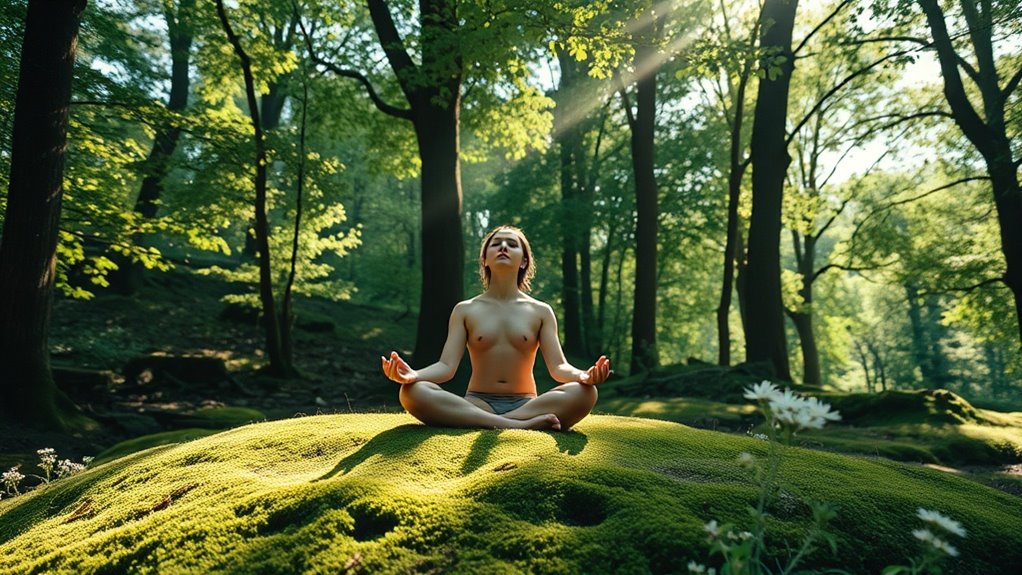
Recognizing and honoring your body’s need for rest is essential for maintaining overall well-being, especially in a world that often values productivity over self-care. To do this effectively, incorporate simple practices like mindful breathing and gentle stretching into your routine. These methods help reconnect you with your body’s signals, fostering a sense of calm and safety. Imagine a table where each activity creates a different space:
| Stillness Practice | Environment | Result |
|---|---|---|
| Mindful breathing | Quiet room, natural light | Reduces stress, enhances clarity |
| Gentle stretching | Soft mat or bed, slow movements | Eases tension, promotes relaxation |
| Restful sleep | Dark, cool, quiet bedroom | Restores energy, clears mind |
| Quiet reflection | Comfortable chair, peaceful corner | Encourages emotional release |
Common Questions
Can Craving Stillness Indicate Underlying Mental Health Issues?
Yes, craving stillness can sometimes signal underlying mental health issues, like anxiety or depression. Your body might be desperately seeking calm through mindfulness practices and emotional regulation to counter overwhelming emotions. It’s a sign to pay attention and explore these feelings further. Ignoring these signals could lead to deeper struggles, so recognizing this craving as a response helps you address mental health proactively and with compassion.
How Long Should One Rest After Experiencing Intense Stress?
You should rest for at least a few days to a week after intense stress, but it really depends on your recovery time. Listen to your body; if you still feel drained or overwhelmed, extend your rest. Taking time to recover isn’t a sign of weakness, but necessary for healing. Prioritize self-care, and don’t rush back into routines until you feel genuinely ready, ensuring your body and mind fully recuperate.
Are Certain People More Naturally Inclined to Seek Stillness?
Some people are naturally more inclined to seek stillness, especially those with personality traits like introversion or high mindfulness. Studies show that cultural influences shape this tendency, as individualistic societies often promote introspection and calmness. You might find yourself craving stillness more if you value reflection or come from a background that encourages quietude. Understanding these factors helps you accept your needs and create environments that nurture your well-being.
Does Regular Stillness Improve Physical Health Over Time?
Yes, regular stillness can improve your physical health over time. When you practice stillness, you strengthen the mind-body connection, helping your body better manage stress. Incorporating stress reduction techniques like meditation or deep breathing promotes relaxation, reduces inflammation, and enhances immune function. Over time, these practices not only support your emotional well-being but also contribute to long-term physical health, making stillness a crucial part of your self-care routine.
Can Stillness Help Prevent Burnout and Emotional Exhaustion?
Yes, stillness can help prevent burnout and emotional exhaustion by fostering mindfulness practices that enhance emotional regulation. When you take time for quiet reflection, you give your mind a break from constant stress, allowing you to process emotions more effectively. This intentional pause helps rebuild resilience, reduces overwhelm, and supports mental clarity, making it easier to navigate daily challenges with balance and compassion.