
Relaxation techniques improve sleep depth by modulating your autonomic nervous system, increasing parasympathetic activity, and reducing sympathetic arousal. This shift promotes the activation of vagal afferents, stabilizing heart rate variability and decreasing muscle tension. Such neural modulation signals safety to your brain, easing changes into slow-wave and REM sleep. By further exploring these mechanisms, you’ll better understand how consistent relaxation practices enhance your overall sleep quality and restorative processes.
Key Takeaways
- Relaxation techniques activate the parasympathetic nervous system, promoting deeper, more restorative sleep stages.
- They reduce physiological arousal, decreasing sleep disturbances and allowing transition into slow-wave sleep.
- These methods enhance vagal tone, which stabilizes heart rate variability and supports sleep depth.
- Relaxation signals safety to the brain, facilitating the onset and maintenance of deep sleep phases.
- Consistent practice improves sleep architecture by increasing duration and quality of slow-wave sleep.
The Science Behind Relaxation and Sleep

Understanding the science behind relaxation and sleep requires examining the intricate neurophysiological processes that regulate the sleep-wake cycle. Central to this regulation are autonomic nervous system modulations, where meditative breathing plays a critical role in shifting balance toward parasympathetic dominance. Slow, controlled inhalations and exhalations activate vagal afferents, promoting heart rate variability and reducing sympathetic arousal. Concurrently, muscle relaxation is facilitated through neural pathways that inhibit alpha motor neuron activity, decreasing muscle tone and fostering physical calmness. This reduction in muscle tension not only diminishes physical discomfort but also signals to the central nervous system that safety conditions are met, aiding the transition into sleep. These neurophysiological effects are mediated by complex interactions among brainstem nuclei, the hypothalamus, and cortical regions, which synchronize to promote sleep onset and maintenance. Therefore, meditative breathing and muscle relaxation directly influence neurochemical pathways to enhance sleep propensity and quality.
How Relaxation Techniques Calm the Nervous System
Relaxation techniques modulate the autonomic nervous system by directly influencing neural pathways that govern physiological arousal. Mindfulness meditation, for instance, activates prefrontal cortical regions that inhibit amygdala activity, reducing sympathetic output and fostering parasympathetic dominance. This shift diminishes heart rate, lowers blood pressure, and decreases cortisol levels, creating a state conducive to restorative sleep. Similarly, progressive muscle relaxation involves systematic tensing and releasing of muscle groups, which interrupts the stress response by engaging mechanoreceptors and afferent pathways that signal safety and calmness to the central nervous system. These techniques enhance vagal tone and promote parasympathetic activation, effectively calming hyperaroused neural circuits. By modulating neural activity at both cortical and subcortical levels, mindfulness meditation and progressive muscle relaxation recalibrate the nervous system, easing physiological tension and preparing the body for sleep. This autonomic balance is pivotal in deepening sleep and reducing sleep fragmentation.
Impact of Relaxation on Sleep Architecture
By modulating the autonomic nervous system, relaxation techniques can substantially influence sleep architecture, leading to measurable improvements in sleep stages and quality. These methods promote parasympathetic dominance, which stabilizes the sleep cycle and enhances progression between sleep stages. Specifically, relaxation can:
- Increase the duration of slow-wave sleep (deep sleep), supporting restorative processes.
- Decrease REM suppression, allowing for more balanced REM and NREM cycles vital for memory consolidation.
- Reduce frequent arousals, resulting in more consolidated sleep and fewer disruptions.
The influence on sleep architecture is particularly evident through a more normalized distribution of sleep stages, with heightened slow-wave activity and improved REM sleep quality. This balanced architecture fosters deeper, more restorative sleep, reducing fragmentation and promoting overall sleep health. As a result, relaxation techniques serve as a powerful tool to optimize sleep cycle dynamics and enhance sleep depth.
Practical Methods to Incorporate Relaxation Before Bed
Implementing relaxation techniques into your nightly routine can substantially enhance sleep onset and quality when applied consistently before bedtime. To achieve this, focus on structured methods like breathing exercises and progressive muscle relaxation. Start with diaphragmatic breathing: inhale slowly through your nose, filling your abdomen, then exhale gradually through your mouth, promoting parasympathetic activation. This reduces physiological arousal and lowers heart rate. Complement this with progressive muscle relaxation, systematically tensing and releasing muscle groups from your feet to your face. This process diminishes muscular tension and fosters mental calmness. Establish a dedicated, quiet environment free from distractions to optimize effectiveness. Consistency is critical; practicing these techniques 15-20 minutes before bed cultivates a conditioned response that signals your body to prepare for sleep. Over time, this routine can decrease sleep latency and deepen sleep stages by modulating autonomic nervous system activity, therefore facilitating a more restorative sleep experience.
Benefits of Improved Sleep Depth for Overall Health
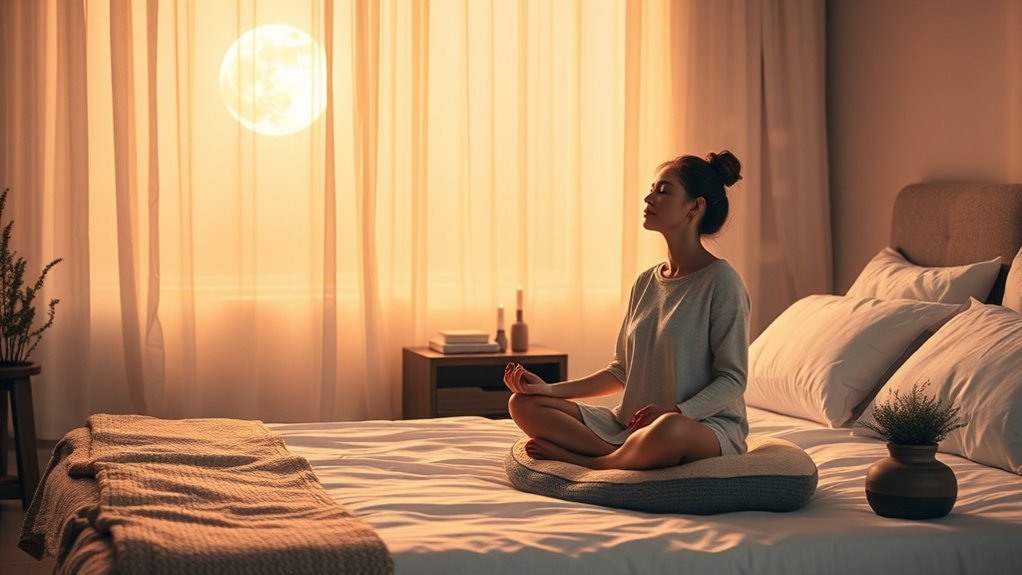
Enhanced sleep depth plays a critical role in optimizing physiological and cognitive functions essential for overall health. Deep sleep stages facilitate cellular repair, bolster immune function, and regulate hormonal balance, directly impacting long-term well-being. Improved sleep depth also enhances mental clarity by consolidating memories and reducing cognitive fog, which is crucial for decision-making and problem-solving.
Key benefits include:
- Stress reduction: Deeper sleep lowers cortisol levels, mitigating chronic stress responses.
- Cognitive enhancement: It promotes neural regeneration, improving focus, learning, and memory retention.
- Physical health: It supports cardiovascular health through blood pressure regulation and reduces inflammation.
Common Questions
Can Relaxation Techniques Replace Medication for Sleep Issues?
Relaxation techniques can often serve as a gentle alternative to medication, reducing the risk of dependency and minimizing side effects. While they may not fully replace pharmacological options for severe sleep disturbances, they effectively enhance sleep quality through stress reduction and calming the mind. Properly integrated into an all-encompassing plan, these methods support side effect management and promote sustainable, natural sleep improvements without the drawbacks associated with long-term medication use.
How Quickly Can I Expect to See Improvements in Sleep?
You may start noticing improvements in sleep duration and quality within one to two weeks of consistent relaxation practice. Research indicates that techniques like mindfulness, progressive muscle relaxation, and deep breathing can enhance sleep architecture by reducing stress-related arousal. However, individual responses vary depending on adherence, baseline sleep issues, and overall health. For ideal results, maintain regular practice and consider integrating multiple relaxation methods for sustained improvements.
Are Relaxation Methods Effective for Chronic Insomnia?
Relaxation methods like mindfulness meditation and deep breathing are effective for chronic insomnia, as they activate the parasympathetic nervous system, reducing hyperarousal. Consistent practice over several weeks can considerably improve sleep onset latency, sleep efficiency, and overall sleep quality. These techniques modulate cortisol levels and promote relaxation responses, making them valuable adjuncts to traditional treatments. However, individual response may vary, and combining them with cognitive behavioral therapy often yields the best results.
Do Relaxation Exercises Work Better for Certain Age Groups?
Relaxation exercises tend to be more effective when tailored to age-specific strategies that align with generational preferences. For example, younger individuals may prefer mindfulness or yoga, while older adults might benefit more from progressive muscle relaxation or guided imagery. These methods accommodate physiological and psychological differences across age groups, enhancing sleep depth by addressing unique stressors and comfort levels, ultimately optimizing the efficacy of relaxation techniques based on age-related factors.
Can Relaxation Techniques Reduce Sleep Disturbances Caused by Anxiety?
Yes, relaxation techniques like mindfulness meditation and deep breathing exercises effectively reduce sleep disturbances caused by anxiety. These methods activate the parasympathetic nervous system, lowering cortisol levels and calming hyperactive neural activity. Practicing mindfulness meditation enhances emotional regulation and reduces ruminative thoughts, while deep breathing exercises promote autonomic stability, making it easier to shift into restorative sleep. Consistent application of these techniques can markedly improve sleep quality in anxious individuals.