
True relaxation is essential for your long-term health because it helps counteract the harmful effects of stress, supports your immune system, and restores mental clarity. When you relax, your body balances hormones like cortisol and adrenaline, reduces muscle tension, and improves circulation. This not only boosts resilience but also lowers risks of high blood pressure and illness. Keep exploring how incorporating simple relaxation techniques can transform your overall well-being over time.
Key Takeaways
- True relaxation activates the parasympathetic nervous system, balancing hormones and reducing stress-related damage.
- Regular relaxation lowers cortisol and adrenaline levels, preventing chronic health issues like high blood pressure and immune suppression.
- Relaxation improves mental clarity, focus, and emotional regulation, supporting overall cognitive and emotional well-being.
- It enhances physical health by decreasing muscle tension, improving blood flow, and reducing cardiovascular risk over time.
- Consistent relaxation practices strengthen resilience, helping the body recover, maintain mood stability, and sustain long-term health.
The Impact of Stress on the Body Over Time
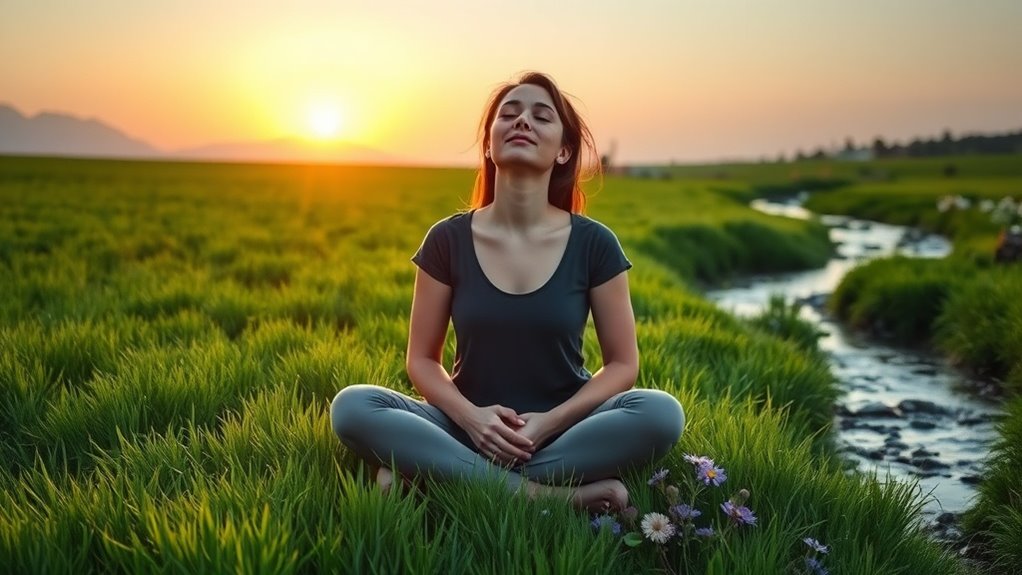
Stress might feel like a temporary inconvenience, but over time, it can take a serious toll on your body. Constant stress keeps your body in a heightened state, releasing stress hormones like cortisol and adrenaline. This prolonged activation can lead to issues like high blood pressure, weakened immune function, and even heart problems. When you’re overwhelmed, practicing mindfulness through mindful breathing helps slow your nervous system, promoting calmness. Relaxation techniques, such as deep breathing or progressive muscle relaxation, can counteract the harmful effects of ongoing stress. Without these tools, your body stays in a constant “fight or flight” mode, which wears down your health gradually. Recognizing how stress impacts you over time underscores the importance of integrating relaxation practices into your daily routine. Small, consistent efforts, like mindful breathing exercises, can make a significant difference in reducing long-term health risks caused by persistent stress.
How Relaxation Regulates Stress Hormones
When you take the time to relax, your body actively works to balance its stress hormones, like cortisol and adrenaline, which are elevated during periods of tension. Relaxation triggers your parasympathetic nervous system, promoting cortisol regulation and supporting hormonal balance. This process helps reduce the harmful effects of prolonged stress on your body.
During relaxation, your body:
- Lowers cortisol levels, preventing chronic stress damage
- Reduces adrenaline, calming your nervous system
- Balances other hormones affected by stress
- Restores overall hormonal harmony, improving well-being
Strengthening the Immune System Through Calmness
When you take time to relax and reduce stress, your immune system gets a powerful boost, making it better at fighting off illnesses. Calmness helps your body strengthen its defenses, so you can stay healthier longer. Prioritizing relaxation isn’t just soothing—it’s a key part of long-term well-being.
Stress Reduction Boosts Immunity
Managing your stress levels isn’t just good for your mood—it plays a crucial role in strengthening your immune system. When you’re stressed, your body releases hormones that can suppress immune responses, making you more vulnerable to illness. Practicing mindful breathing and effective stress management techniques helps calm your nervous system, reducing cortisol levels and boosting immunity. To enhance this process, consider:
- Incorporating regular deep breathing exercises
- Prioritizing relaxation activities like meditation
- Setting boundaries to avoid overload
- Ensuring sufficient sleep and rest
These simple steps can make a significant difference in how resilient your immune system becomes over time. When you nurture calmness, you’re actively supporting your body’s natural defenses, helping you stay healthier longer.
Relaxation Enhances Defense
Relaxation isn’t just about feeling calm in the moment; it actively strengthens your immune defenses over time. When you practice relaxation techniques, such as deep breathing or mindfulness, you reduce stress hormones that can suppress your immune response. Meditation benefits are well-documented, showing how consistent practice can improve your body’s ability to fight off illness. By calming your mind, you lower inflammation and boost the activity of immune cells. This means you’re better prepared to ward off infections and recover faster. Incorporating simple relaxation techniques into your daily routine isn’t just soothing—it’s a powerful way to enhance your long-term health. The more you prioritize calmness, the stronger your immune system becomes, helping you stay resilient against everyday challenges.
The Connection Between Relaxation and Mental Clarity
Since your mind often races with thoughts and worries, finding time to relax can do more than just soothe your body—it can substantially enhance your mental clarity. When you practice relaxation, you create space for mindful awareness, helping you observe your thoughts without judgment. This shift allows your mind to clear mental clutter and focus more sharply on what truly matters. Regular relaxation can reduce mental fog, improve concentration, and foster a sense of calm that sharpens your decision-making. To deepen this connection, consider these benefits:
- Strengthening your ability to stay present
- Reducing anxiety and mental fatigue
- Improving focus and attention span
- Enhancing overall cognitive function
Physical Benefits of Consistent Relaxation Practices
When you make relaxation a regular habit, you can notice your muscles feel less tight and more at ease. It also supports better blood flow, which helps your body heal and stay strong. Over time, these simple practices can make a real difference in your overall physical health.
Reduced Muscle Tension
If you regularly practice relaxation techniques, you’ll notice a significant decrease in muscle tension over time. This is because consistent relaxation promotes muscle relaxation, reducing tightness and stiffness. You’ll likely feel less physically fatigued and more comfortable in your daily activities. The tension relief you gain can also improve your posture and reduce the risk of strain-related injuries. As your muscles relax, you’ll experience:
- Less soreness and stiffness
- Improved flexibility
- Better posture alignment
- Reduced physical discomfort
Improved Circulatory Health
As your muscles become more relaxed through consistent practice, your circulatory system also benefits. When you relax, blood flow improves, allowing oxygen and nutrients to reach your tissues more efficiently. This enhanced blood circulation helps reduce the risk of cardiovascular issues and supports overall heart health. Relaxation lowers stress hormones like cortisol, which can constrict blood vessels, so reducing stress promotes better blood flow. Over time, a healthier circulatory system can lead to increased energy levels and quicker recovery from daily exertion. By making relaxation a regular habit, you’re actively nurturing your heart and blood vessels, creating a foundation for long-term health and vigor. It’s a simple yet powerful way to support your body’s well-being every day.
Relaxation and Its Role in Reducing Chronic Disease Risks
Chronic diseases like heart disease, diabetes, and hypertension are often linked to ongoing stress and inflammation in the body. When you’re relaxed, your stress hormones decrease, lowering inflammation and reducing your risk of these illnesses. Techniques like mindful breathing help you stay present, calming your nervous system. Guided imagery takes this further by visualizing peaceful scenes, which can ease tension and promote heart health. Regular relaxation practices can:
Relaxation reduces stress hormones, eases tension, and supports heart health.
- Reduce cortisol levels, decreasing inflammation
- Improve blood pressure regulation
- Enhance immune system function
- Support healthier metabolic responses
Developing Resilience With Regular Decompression
By regularly taking time to decompress, you can reduce stress and create space for emotional balance. These moments of decompression also help strengthen your physical resilience, making it easier to handle daily challenges. Incorporating simple stress reduction strategies into your routine can build long-term health and well-being.
Stress Reduction Strategies
While life often throws unexpected challenges your way, developing resilience through regular decompression can make a significant difference. Stress reduction strategies help you recharge and stay grounded. Incorporating practices like mindful breathing allows you to focus on your breath, calming your nervous system. Listening to soothing music can create a peaceful environment that eases tension. You might also try:
- Taking short breaks during busy days
- Engaging in gentle physical activity
- Practicing meditation or deep relaxation techniques
- Setting boundaries to protect your mental space
These methods support your emotional well-being and build resilience. When you prioritize decompression, you’re better equipped to handle stress and maintain long-term health. Remember, consistent effort in these small steps creates a powerful buffer against daily pressures.
Enhancing Emotional Balance
Developing emotional balance is essential for building resilience, especially when life’s ups and downs feel overwhelming. When you practice emotional regulation, you learn to manage your reactions and maintain a sense of calm. This helps stabilize your mood, preventing extreme shifts that can drain your energy and worsen stress. Regular decompression allows you to step back from daily pressures, giving your mind a chance to reset and process emotions healthily. Over time, this consistent effort strengthens your ability to stay centered during challenging moments, fostering a more stable outlook. By prioritizing emotional regulation and mood stabilization, you create a solid foundation for resilience, making it easier to navigate life’s inevitable hurdles with greater patience and clarity.
Building Physical Resilience
Building physical resilience is a essential part of maintaining long-term health, especially when daily stressors and physical demands take a toll on your body. Regular decompression through breathing techniques and meditation practices helps strengthen this resilience by reducing cortisol levels, improving sleep, and enhancing your body’s recovery capacity. When you incorporate mindful breathing, you activate your parasympathetic nervous system, promoting relaxation and healing. Meditation practices can also build mental toughness, making it easier to bounce back from setbacks. To boost your resilience, consider:
- Practicing deep, diaphragmatic breathing daily
- Engaging in guided meditation sessions
- Incorporating gentle movement like yoga or tai chi
- Prioritizing regular breaks for mental and physical decompression
These habits foster a resilient body ready to handle life’s challenges.
Incorporating Relaxation Into Daily Routines for Long-Term Gains
Integrating relaxation into your daily routine doesn’t have to be complicated; small, intentional moments can make a significant difference over time. Start with mindful breathing—taking a few deep, focused breaths during your day helps calm your nervous system and reduce stress. Incorporate short nature walks into your schedule, even if just for 10 minutes. Walking outdoors allows you to connect with nature, which has proven calming effects, and gives you a mental break from daily stressors. These simple practices can become a grounding routine, helping you build resilience over time. Consistency is key: setting aside regular moments for relaxation helps your body and mind adapt, leading to long-term health benefits. Remember, it’s not about perfection but about making space for peace amid your busy day. Small, intentional actions like mindful breathing and nature walks can accumulate into powerful, lasting habits.
The Mind-Body Link: Enhancing Overall Well-Being
When you make a habit of incorporating moments of relaxation into your daily routine, you’re already supporting your overall health. The mind-body connection plays a vital role in this process, affecting your emotional awareness and physical well-being. Practices like mindfulness meditation help you become more attuned to your thoughts and feelings, reducing stress and promoting calmness. This heightened emotional awareness allows you to better manage reactions, lowering anxiety and improving mood. When your mind is at ease, your body responds positively—lower blood pressure, better immune function, and improved sleep.
- Deepens your understanding of emotional triggers
- Promotes mental clarity and resilience
- Reduces chronic stress levels
- Enhances physical health through relaxation
Practical Strategies to Cultivate Authentic Relaxation

Practicing authentic relaxation doesn’t have to be complicated; simple, intentional strategies can make a significant difference in your well-being. One effective method is mindful breathing—focusing your attention on each inhale and exhale helps calm your nervous system and anchors you in the present moment. Incorporate mindful breathing into daily routines, like during breaks or before bed, to foster a sense of calm. Another powerful strategy is nature immersion. Spending time outdoors—whether in a park, forest, or even a garden—can rejuvenate your mind and body, reducing stress and enhancing overall relaxation. You don’t need hours; even short walks or sitting quietly in natural surroundings can reconnect you with calmness. Combining these practices creates a sustainable way to nurture authentic relaxation, helping you manage stress more effectively and promote long-term health. These simple steps make relaxation accessible, practical, and deeply nourishing.
Common Questions
Can Relaxation Techniques Be Effective for Mental Health Issues?
Think of your mind as a garden; when you practice mindfulness meditation and breathing exercises, you’re watering the weeds of stress and anxiety. These relaxation techniques can be surprisingly effective for mental health issues, helping you gain clarity and calmness. Regular practice nurtures resilience, making it easier to handle daily challenges. So yes, incorporating mindfulness meditation and breathing exercises into your routine can markedly support your mental well-being.
How Quickly Can I Expect Health Benefits From Regular Relaxation?
You might notice some immediate effects of regular relaxation, like reduced stress or a calmer mood, within a few sessions. Long-term benefits, such as improved mental clarity, better immune function, and overall health, develop over weeks or months of consistent practice. Keep in mind that everyone’s different, but sticking with relaxation techniques can truly support your health journey, offering both quick relief and lasting wellness.
Are Certain Relaxation Methods Better Suited for Specific Health Conditions?
You might find that some relaxation methods, like mindfulness meditation, are especially gentle on specific health concerns, helping calm your mind and reduce stress. Aromatherapy benefits, with soothing scents, can enhance relaxation for conditions like anxiety or sleep issues. Think of it as choosing the right gentle touch—tailoring relaxation techniques to your needs can make a meaningful difference, nurturing your well-being over time.
How Does Relaxation Impact Sleep Quality Over the Long Term?
Relaxation improves your sleep quality over the long term by enhancing sleep hygiene and supporting your circadian rhythm. When you intentionally unwind before bed, you reduce stress hormones that disrupt sleep, making it easier to fall asleep and stay asleep. Consistent relaxation routines help regulate your internal clock, leading to more restful, restorative sleep night after night. Over time, this boosts your overall health and well-being, creating a positive cycle of better sleep.
Can Relaxation Practices Replace Medical Treatment for Chronic Illnesses?
Relaxation practices can’t fully replace medical treatment for chronic illnesses, but they can be powerful additions. For example, a person with hypertension might incorporate holistic approaches like meditation and lifestyle changes, reducing medication reliance over time. These techniques help manage stress and improve overall well-being. While essential treatments are necessary, integrating relaxation can enhance health outcomes and support your body’s natural healing processes.